Text
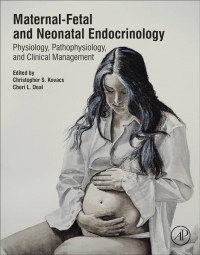
Maternal-Fetal and Neonatal Endocrinology
Why compile a textbook that focuses on maternal-fetal and neonatal endocrinology? If the answer isn’t self-evident, we can
explain why from our own clinical experiences. And judging by comments we’ve received from colleagues and patients
around the world, we’re not alone in this.
Endocrinologists and internists are called upon by obstetricians to diagnose and manage women who have endocrine
disorders that either predate pregnancy or present for the first time during pregnancy. The presentation and management of
endocrine diseases can differ substantially during pregnancy, and even during lactation. Medications may cross the placenta
and affect the fetus or enter breastmilk and affect the neonate. Altered endocrine physiology in the mother can affect the
developing fetus or neonate, with interventions needed prior to birth (e.g., fetal Graves’ disease) or after (maternal hyper-
calcemia during pregnancy, leading to neonatal hypocalcemia and hypoparathyroidism). Endocrine disorders can also pri-
marily develop in the fetus and present in the neonate, and these presentations may differ from the classical ones that occur
in adults. Sometimes there is not a disorder at all, but rather normal physiological changes of pregnancy [e.g., low total
serum calcium and suppressed parathyroid hormone (PTH)] or lactation [enlarged pituitary gland on magnetic resonance
imaging (MRI)] are misinterpreted to indicate disease states.
Clinicians generally have a good understanding of the management of diabetes and thyroid disorders during pregnancy
and know where to turn when they need help. However, other endocrine disorders are seen less often during pregnancy or
postpartum and may be overlooked, and the nuances of their management during these times periods are far less
Ketersediaan
Tidak ada salinan data
Informasi Detail
- Judul Seri
-
-
- No. Panggil
-
600
- Penerbit
- : .,
- Deskripsi Fisik
-
-
- Bahasa
-
English
- ISBN/ISSN
-
ISBN: 978-0-12-814823-5
- Klasifikasi
-
600
- Tipe Isi
-
-
- Tipe Media
-
-
- Tipe Pembawa
-
-
- Edisi
-
-
- Subjek
-
-
- Info Detail Spesifik
-
-
- Pernyataan Tanggungjawab
-
-
Versi lain/terkait
Tidak tersedia versi lain
Lampiran Berkas
Komentar
Anda harus masuk sebelum memberikan komentar
 Karya Umum
  Filsafat
  Agama
Agama  Ilmu-ilmu Sosial
  Bahasa
  Ilmu-ilmu Murni
  Ilmu-ilmu Terapan
  Kesenian, Hiburan, dan Olahraga
  Kesusastraan
  Geografi dan Sejarah
  Jurnal
  Proceeding